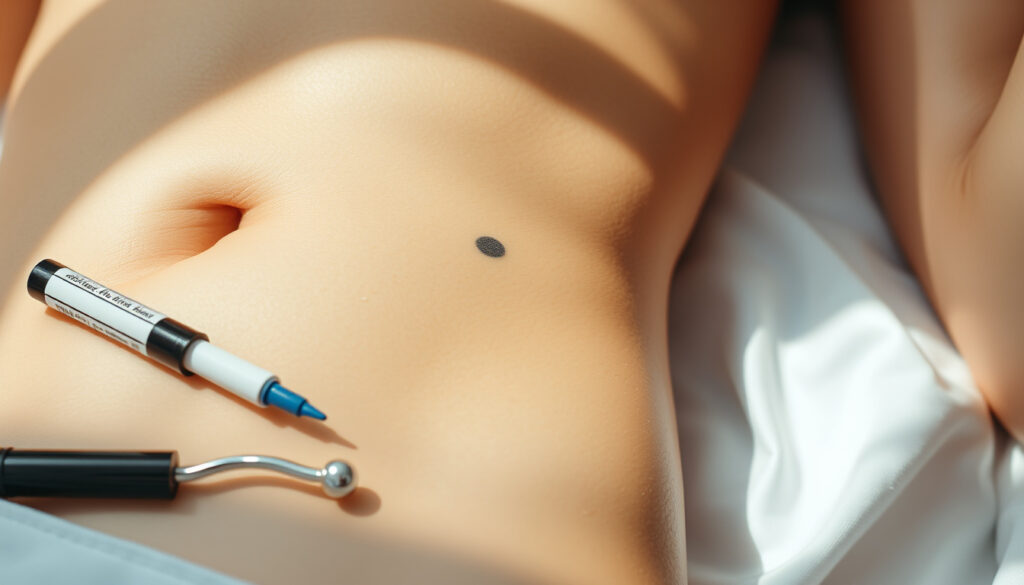
Belly Piercing – Complete Guide to Healing, Rejection and Jewelry
Belly piercings, also known as navel piercings, are one of the most popular body modifications. But behind the shiny jewelry lies a process that requires careful aftercare, the right materials, and awareness of potential risks like rejection. This guide covers everything from healing timelines to jewelry choices, including specific advice for people with outie belly buttons.
Many online searches for belly piercing information lead to product pages or general encyclopedia entries, leaving a gap in practical, expert-backed guidance. This article combines verified facts from professional piercers, medical sources, and industry standards to help you make informed decisions.
Whether you are considering a new piercing, caring for a healing one, or looking for hypoallergenic jewelry, the following sections address the most common questions with clarity and accuracy.
How to Care for a Belly Piercing: Healing Timeline and Aftercare Tips
Proper aftercare is the single most important factor in a successful belly piercing. The healing process is slow, and mistakes can lead to infection or rejection.
Healing Time
6–12 months (full healing)
Best Jewelry for New Piercings
Surgical steel, titanium, or 14K gold (nickel-free)
Rejection Rate
Up to 20% – watch for migration, redness, thinning skin
Outie Belly Button?
Possible but requires professional assessment – not all outies are pierceable
Key insights to keep in mind:
- Belly piercing healing is slow and requires consistent aftercare to avoid infection and rejection.
- Jewelry material is critical – nickel allergies are common, so hypoallergenic options are essential.
- Outie belly buttons can be pierced, but the anatomy varies; a professional piercer must evaluate the skin fold.
- Rejection is most likely in surface piercings and can be minimized by using proper jewelry and avoiding trauma.
- Shopping for belly piercing jewelry online is convenient but requires checking material quality and seller reputation.
- Acrylic, plastic, and porous materials harbor bacteria and are unsuitable for healing piercings – they are only for fully healed ones.
| Aspect | Key Fact |
|---|---|
| Healing time | Initial healing: 2–4 weeks; full healing: 6–12 months |
| Common materials | Surgical steel, titanium, gold (14K+), niobium |
| Rejection symptoms | Migration, thinning skin, redness, visible jewelry through skin |
| Outie suitability | Not all outies can be pierced – depends on skin fold depth |
| Post-piercing care | Clean twice daily with saline solution; avoid twisting jewelry |
Clean your piercing with a sterile saline solution (0.9% sodium chloride) twice daily. Do not use harsh soaps, alcohol, or hydrogen peroxide. Never rotate or twist the jewelry – this damages healing tissue.
For more detailed guidance on aftercare, see our article on healing and aftercare for belly piercings.
What Causes Belly Piercing Rejection and How to Prevent It?
Rejection occurs when the body treats the jewelry as a foreign object and pushes it toward the surface. It is a common risk, especially for surface piercings like the navel.
Signs of rejection include the piercing hole becoming larger, the jewelry appearing to sink into the skin, persistent redness or itching, excessive watery discharge, and the jewelry becoming more visible as the skin thins around it.
To prevent rejection, use implant-grade titanium or nickel-free solid gold from the start. Avoid heavy or dangly jewelry until the piercing is fully healed (12+ months). If you notice any signs of rejection, see your piercer immediately – they may switch to a different material or adjust the jewelry length.
Avoid “gold-plated” belly rings. The thin plating will peel over time, exposing your skin to the underlying nickel-containing metal, which can trigger allergic reactions and delay healing.
What Types of Belly Piercing Jewelry Are Available? (Bars, Rings, Dangly, Gold, Silver)
Choosing the right jewelry depends on whether your piercing is new or fully healed, your skin sensitivity, and your style preferences.
Best Materials for Sensitive Skin
The most important factor is avoiding nickel. Implant-grade titanium (ASTM F-136) is the gold standard – it is completely nickel-free, biocompatible, and used for surgical implants. Solid 14k–24k gold is also safe if alloyed without nickel, but white gold often contains high nickel and should be avoided. Niobium and Bioplast are excellent non-metal alternatives.
Surgical Steel vs. Titanium
Titanium is lighter and more biocompatible than surgical steel. Surgical steel (316L) contains trace amounts of nickel and is only safe for people without known allergies. For new piercings and severe allergies, titanium is the superior choice.
Dangly Belly Rings
Dangly rings are not recommended for healing piercings because they move excessively and cause irritation. Once fully healed, choose lightweight options made of hypoallergenic materials like titanium, surgical steel, or solid gold.
For a full comparison of jewelry options, see our guide on best materials for belly button piercings.
The term “hypoallergenic” is unregulated by the FDA. Always look for specific material grades: “ASTM F-136 Titanium,” “Niobium,” or “Nickel-Free 14k/18k Solid Gold.” Avoid generic “Hypoallergenic,” “Surgical Steel” (without grade), or “Gold Plated” labels.
Can You Get a Belly Piercing with an Outie Belly Button?
Yes, an outie (protruding navel) can be pierced, but it requires a professional assessment. The piercer will evaluate the depth of the skin fold and the angle of the protrusion. A curved barbell is often used, with a specific angle to prevent the jewelry from rubbing against clothing excessively.
Healing may be slightly more challenging if the jewelry catches on waistbands. Choosing a shorter bar or a specific curve can help. Not all outies have enough skin to support a piercing, so a consultation with an experienced piercer is essential.
Belly Piercing Healing Stages: A Timeline from Day 1 to Full Recovery
Understanding the healing timeline helps set realistic expectations and avoid common mistakes.
- Day 1: Piercing performed; mild swelling, redness, tenderness normal.
- Week 1-2: Initial healing; keep clean, avoid swimming, tight clothing.
- Month 1-2: Swelling subsides; jewelry can be downsized by piercer.
- Month 3-6: Piercing appears healed but still fragile; continue aftercare.
- Month 6-12: Full healing achieved; can change jewelry, but still monitor for issues.
The Association of Professional Piercers states that navel piercings take 6 to 12 months to fully heal, and proper aftercare is essential to prevent infection.
What Is Known and What Remains Unclear About Belly Piercing Risks?
| Established Information | Information That Remains Unclear |
|---|---|
| Belly piercing rejection is a real risk, but not everyone experiences it. (Medical literature and piercing community) | Outie belly buttons can be pierced, but success depends on individual anatomy. (Professional piercers’ consensus) |
| Healing time varies significantly between individuals. (Body piercing guidelines) | Exact rejection rates for different jewelry materials are not well documented in large studies. |
Why Belly Piercing Information Matters: The Gap in Online Resources
Belly piercings remain a popular body modification, but many users turn to online searches for practical advice on healing, rejection, and jewelry choices. The current search results are dominated by e-commerce listings and a general encyclopedia article, leaving a gap for authoritative, user-focused content. This guide addresses that gap by combining expert-backed aftercare, anatomy-specific guidance, and shopping tips tailored to both new and experienced piercees.
What Do Experts Say About Belly Piercing Safety and Aftercare?
“Navel piercings take 6 to 12 months to fully heal, and proper aftercare is essential to prevent infection.”
— Association of Professional Piercers (APP)
“The risk of rejection is highest in surface piercings like the navel; using implant-grade materials reduces this risk.”
— The Piercing Bible by Elayne Angel
For additional safety information, the Mayo Clinic offers guidance on piercing risks and safety, and the FDA provides a consumer update on body piercing safety.
Where to Find Reliable Belly Piercing Jewelry and Aftercare Advice
For the best results with sensitive skin, buy an ASTM F-136 implant-grade titanium curved barbell for healing. Once fully healed (12+ months), you can switch to a solid 14k nickel-free gold dangly ring if desired. Always verify material grades and avoid generic labels. For more on jewelry materials, see our article on best materials for belly button piercings.
Frequently Asked Questions About Belly Piercings
Does a belly piercing hurt?
Pain varies, but most describe it as a quick pinch. The navel area is moderately sensitive.
Can I change my belly piercing jewelry after a few weeks?
No – wait at least 6 months for full healing to avoid irritation and rejection.
What is the best metal for sensitive skin?
Implant-grade titanium or niobium are best; avoid nickel-containing alloys.
How do I know if my belly piercing is infected?
Signs include excessive redness, warmth, pus, and increasing pain. Consult a professional.
Can I swim with a new belly piercing?
No – avoid pools, hot tubs, and natural bodies of water until fully healed (6-12 months).
More related posts
 Renters’ Rights Bill – Tenants and Landlords Complete Guide
 Bruno Fernandes – Full Profile, Stats and Transfer Updates
 Christina Chong – Biography, Roles, and Music
 Molly McCann – Record, Next Fight, Height and Net Worth 2025
 Matt Hancock Net Worth – 2025 Estimate Salary Scandal
 B and M Bargains – Complete Guide to UK Deals and Stores
 Ulrika Jonsson – Biography, Net Worth, Children, Book & FAQ
 Emma Stone Poor Things – Oscar Win, Role, Plot Explained
