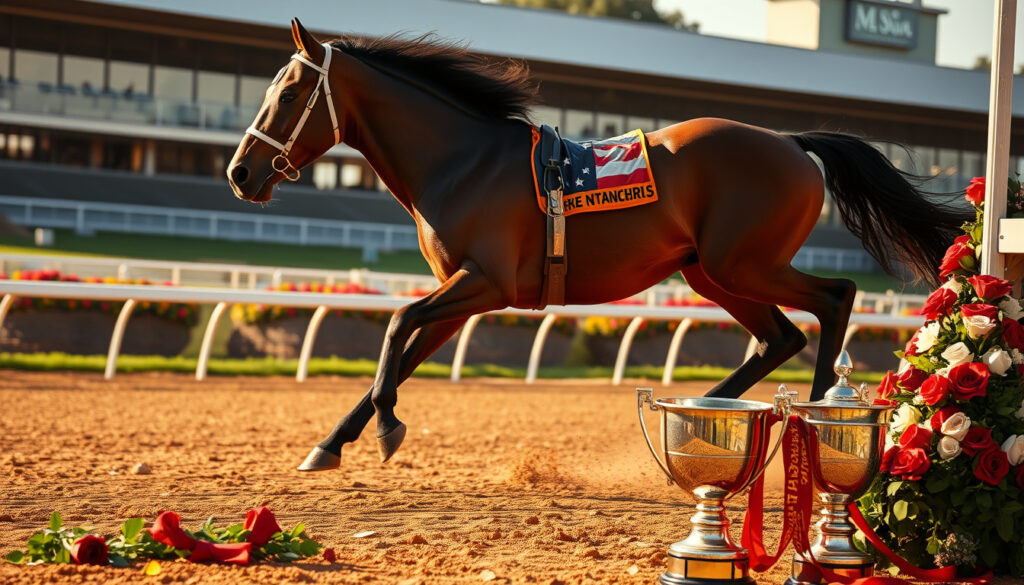
Bill Turner Horse Trainer – Seattle Slew Triple Crown Trainer
The name Bill Turner appears across two distinct careers in horse racing—one American, one British—that share a passion for training Thoroughbreds but little else. Understanding which Bill Turner someone means requires context, as each achieved success through different disciplines and in different racing cultures.
William H. “Billy” Turner Jr. built his legacy in American Thoroughbred racing, most notably as the trainer of Seattle Slew, who completed the 1977 Triple Crown. His counterpart, William George Michael “Bill” Turner, operated primarily in British racing, developing a reputation over six decades as a specialist with young horses and particularly in the Brocklesby Stakes. Both men carried the Turner name into the record books, though in markedly different ways.
This profile focuses on the American Billy Turner, whose career spanned multiple decades and produced several notable horses beyond his Triple Crown winner, while also noting key distinctions between the two trainers who share the name in the racing world.
Who Is Bill Turner and What Is His Background in Horse Racing?
William H. “Billy” Turner Jr. was born on February 29, 1940, in Rochester, New York. His introduction to horses came through riding and fox hunting in Pennsylvania during his youth. The steeplechase circuit became his entry point into professional riding, with Turner beginning his career as a jockey in 1958 under the guidance of trainer Burley Cocks.
Turner’s time as a jockey ended in 1963, when his height—standing 6’2″—made it increasingly difficult to compete effectively. He transitioned to assisting other trainers before launching his own public stable in 1966, marking the beginning of a training career that would span half a century.
Turner’s early years combined practical riding experience with hands-on training work, establishing the foundation for his methodical approach to developing racehorses throughout his career.
- Started as steeplechase jockey in 1958 under Burley Cocks
- Went independent as a trainer in 1966
- Early success with Salerno, winner of the 1967 Remsen Stakes
- Maintained operations in New York, Florida, and Mid-Atlantic regions
- Based primarily at Belmont Park
- Retired to Ocala, Florida in 2016
- Died December 31, 2021, in Reddick, Florida, at age 81 from prostate cancer
| Fact | Details |
|---|---|
| Birth Year | 1940 |
| Debut as Trainer | 1966 |
| Career Wins | 533 (Equibase records from 1976) |
| Earnings | Over $17 million |
| Primary Base | Belmont Park |
| Retirement Year | 2016 |
What Are Bill Turner’s Major Achievements as a Horse Trainer?
Billy Turner’s place in Thoroughbred racing history rests primarily on his association with Seattle Slew, who captured the 1977 Triple Crown. The colt entered the Kentucky Derby undefeated and remained unbeaten through all three legs of the series—the Kentucky Derby, Preakness Stakes, and Belmont Stakes—becoming one of only eleven horses to achieve the Triple Crown. Seattle Slew also earned Horse of the Year honors that season.
Beyond his Triple Crown victory, Turner accumulated a record of 533 wins across his career, with earnings exceeding $17 million according to Equibase records dating from 1976. His horses won stakes races at tracks throughout the East Coast and Midwest.
Stakes Winners Beyond Seattle Slew
Turner’s training achievements extended to several other accomplished horses. Czaravich dominated the 1979 racing season, winning the Carter Handicap, Withers Stakes, Jerome Handicap, and Metropolitan Handicap. Play On achieved success in 1984, winning the Withers Stakes and finishing second in the Preakness.
The gelding Punch Line represented Turner from 1995 through 1999, accumulating 21 career victories. The Virginia Horse of the Year and champion sprinter for 1997 and 1998, Punch Line notably won the Fall Highweight Handicap at age eight while carrying 136 pounds—a demanding assignment that demonstrated Turner’s ability to condition horses for peak performance under difficult conditions.
Hall of Fame Recognition
Turner was recognized by the National Museum of Racing and Hall of Fame for his contributions to the sport. His induction reflected not only the Triple Crown achievement but also his consistency in developing competitive horses across multiple seasons and racing conditions.
Turner’s training philosophy emphasized patience and development, with many of his horses improving significantly as they matured beyond their two-year-old seasons.
What Famous Horses Has Bill Turner Trained?
Turner’s roster of notable horses centered on quality rather than quantity, with each significant runner representing careful development and strategic campaign planning. His horses competed primarily in the Northeast and Mid-Atlantic, with Belmont Park serving as his home base for major stakes appearances.
Seattle Slew: The Signature Achievement
Seattle Slew remains Turner household’s most celebrated horse. Purchased for $17,500 as a yearling, the dark brown colt exceeded expectations throughout his three-year-old campaign. His Triple Crown run in 1977 followed an undefeated two-year-old season, making him a dominant force in championship voting. Turner managed the horse’s career with a conservative early schedule that built toward the spring classics.
Other Notable Protégés
Czaravich gave Turner another top-level winner in 1979, with his victories in New York’s major handicap races establishing the horse as one of the season’s leading older males. The horse’s speed and consistency made him a reliable competitor at prestigious tracks.
Play On demonstrated Turner’s ability to develop horses capable of competing at the highest levels despite not starting as a top prospect. Her 1984 season included the Withers Stakes victory and a strong Preakness second-place finish.
Punch Line’s longevity and durability stood out among Turner’s horses. Racing from ages two through eight, the gelding accumulated his 21 wins while consistently competing against the best available company. His Fall Highweight victory carrying 136 pounds demonstrated exceptional ability to carry weight while maintaining speed.
Earlier Success with Salerno
Before his major stakes success, Turner developed Salerno, who won the 1967 Remsen Stakes. The early victory provided validation for Turner’s training methods and indicated the potential for future accomplishments at the highest levels of the sport.
Is Bill Turner Still Active as a Horse Trainer?
Billy Turner retired from training in 2016, relocating to Ocala, Florida. He died on December 31, 2021, at age 81 in Reddick, Florida, following complications from prostate cancer. His competitive career spanned approximately five decades, beginning with his first public stable in 1966 and concluding with his retirement over half a century later.
Turner was married to Patricia “Patti” Turner, a former jockey, and had two children from prior marriages. His legacy in American Thoroughbred racing continues through the horses he trained and the Hall of Fame recognition he received.
William George Michael “Bill” Turner of Britain died in 2025 at age 78. Known for his Brocklesby Stakes success with two-year-olds, the British trainer operated from Sigwells Farm in Somerset and accumulated six wins in that race across his six-decade career. His focus on young horses and flat racing differed substantially from the American Turner’s profile.
Bill Turner’s Career Timeline
Turner’s journey from steeplechase jockey to Triple Crown trainer reflects decades of evolution in American Thoroughbred racing. His progression through the sport’s ranks paralleled the development of modern racing infrastructure along the Eastern Seaboard.
- 1958: Begins career as steeplechase jockey under Burley Cocks
- 1963: Retires from riding due to height; transitions to training
- 1966: Launches independent public stable
- 1967: Salerno wins Remsen Stakes—first major victory
- 1976: Records begin in Equibase database
- 1977: Seattle Slew completes Triple Crown; Horse of the Year
- 1979: Czaravich wins four major handicaps including Metropolitan
- 1984: Play On wins Withers, finishes second in Preakness
- 1995–1999: Punch Line accumulates 21 wins including Fall Highweight
- 2016: Retires; relocates to Ocala, Florida
- 2021: Dies December 31 at age 81
What Is Known Versus Uncertain About Bill Turner?
Clear documentation exists for many aspects of Billy Turner’s career, though certain details remain less thoroughly recorded than others. Understanding what is confirmed versus what requires further research helps clarify his place in racing history.
| Established Information | Information Requiring Verification |
|---|---|
| Birth: February 29, 1940, Rochester, NY | Complete win-loss statistics for early career years |
| Death: December 31, 2021, Reddick, FL | Detailed records from 1966–1976 |
| Seattle Slew 1977 Triple Crown | Full ownership history for all horses |
| 533 career wins (1976 onward) | Specific placement percentages |
| $17+ million in earnings | Complete stakes win count |
| Belmont Park base of operations | Training methods and philosophy details |
Equibase records provide reliable statistics from 1976 onward, though earlier career data remains less comprehensively documented. The BloodHorse records confirm major stakes victories and Triple Crown details.
Bill Turner’s Place in American Racing History
Billy Turner occupied a distinctive position among American Thoroughbred trainers of his generation. His willingness to pursue the Triple Crown with Seattle Slew, combined with his success developing horses across multiple seasons and distance categories, established him as a versatile conditioner capable of achieving at the highest levels.
The New York-Florida circuit he operated within represented the sport’s traditional power center during the latter decades of the twentieth century. Turner’s Belmont Park base placed him at one of American racing’s most storied venues, where his horses regularly competed against the East Coast’s strongest opposition. For readers interested in the broader context of Triple Crown history, Turner’s achievement represents a significant chapter in American racing lore.
His contemporaries included many notable trainers, though Turner’s methods and success patterns differed from specialists who focused narrowly on specific race types or training surfaces. The variety of his stakes winners—from sprinters like Czaravich to the classic-distance Seattle Slew—demonstrated adaptability across different racing requirements.
The British Bill Turner, by contrast, built his reputation within a different racing culture. Operating primarily in the United Kingdom’s flat and jump racing systems, he specialized in two-year-old development and accumulated six Brocklesby Stakes victories. The distinction matters for anyone researching “Bill Turner horse trainer,” as the two men shared neither geography, racing discipline, nor competitive context.
Sources and References
Documentation of Billy Turner’s career draws from multiple primary sources in the racing industry. Wikipedia entries provide biographical overviews, while specialized horse racing publications offer more detailed performance records.
“William H. ‘Billy’ Turner Jr. passed away at age 81 in Reddick, Florida. He trained the 1977 Triple Crown winner Seattle Slew and was known for developing successful horses throughout his decades-long career.”
“Turner’s training career spanned six decades, with a public stable and bloodstock consulting practice. He was based at Belmont Park before retiring to Florida in 2016.”
Equibase provides official statistics including win totals and earnings figures. For readers interested in comparing training records, America’s Best Racing and other racing publications offer context for evaluating career achievements within the broader trainer landscape.
Summary: Bill Turner’s Enduring Legacy in Horse Racing
Billy Turner’s career demonstrates the potential for long-term success in American Thoroughbred racing through careful horse development and strategic campaign planning. His association with Seattle Slew, one of the most celebrated Triple Crown winners in history, ensures his place in the sport’s record books regardless of what other achievements might emerge in historical perspective.
With 533 career victories and over $17 million in earnings, Turner built a record that placed him among the respected conditioners of his era. Beyond the statistics, his success with horses like Czaravich, Play On, and Punch Line—each achieving distinction through different qualities—demonstrates the breadth of his capabilities as a trainer.
Those researching “Bill Turner horse trainer” should note the existence of two distinct figures who carried this name in the racing world. The American Billy Turner concluded his career in 2016 and passed away in 2021. The British Bill Turner, known for his work with young horses, died in 2025. Each contributed to their respective racing cultures in meaningful ways, though their paths and achievements differ substantially. Understanding the role of breeding and genetics in developing racehorses provides useful context for evaluating the horses Turner developed throughout his career.
Turner’s legacy continues through the horses he trained, the records he established, and his induction into the National Museum of Racing and Hall of Fame. His career span—from the late 1960s through 2016—encompassed significant changes in American racing, and his success throughout those decades reflects both adaptability and consistency in his approach to training Thoroughbreds.
Frequently Asked Questions
Which Bill Turner trained Seattle Slew?
William H. “Billy” Turner Jr. (1940–2021), an American Thoroughbred trainer, trained Seattle Slew for his 1977 Triple Crown victory.
How many career wins did Bill Turner achieve?
Billy Turner recorded 533 career wins with earnings exceeding $17 million according to Equibase records from 1976 onward.
What other horses did Bill Turner train besides Seattle Slew?
Turner also trained Czaravich (1979: Carter, Withers, Jerome, Metropolitan Handicaps), Play On (1984 Withers winner), and Punch Line (21 wins, Virginia Horse of the Year 1997–1998).
Is the British Bill Turner the same person?
No. William George Michael “Bill” Turner (1947–2025) was a British trainer specializing in two-year-olds, with six Brocklesby Stakes wins. He is a different person from the American Billy Turner.
When did Bill Turner retire?
Billy Turner retired from training in 2016, moving to Ocala, Florida. He died at age 81 on December 31, 2021.
What was Bill Turner’s training philosophy?
Turner emphasized patient development and conservative scheduling, particularly evident in his handling of Seattle Slew, who was brought along gradually before his Triple Crown campaign.
Where was Bill Turner’s racing stable located?
Billy Turner maintained his primary operations at Belmont Park in New York, with additional activity in Florida and the Mid-Atlantic region throughout his career.
What controversies involved Bill Turner?
The primary complication associated with the Turner name involves identification, as multiple “Bill Turners” have worked in horse racing. Specific controversies regarding Billy Turner Jr. are not well-documented in available sources.
How can I find more information about horses Bill Turner trained?
Equibase and BloodHorse maintain detailed records of Thoroughbred racing, including the careers of horses trained by Billy Turner. These resources allow searching by trainer name or specific horse.
Did Bill Turner win any other Triple Crown races?
Beyond Seattle Slew’s 1977 Triple Crown, Turner did not train any other Kentucky Derby winners or horses to complete the Triple Crown series.
More related posts
 Ingrid Oliver – Biography, Movies, TV Shows and Marriage to Richard Osman
 Band 7 Nurse Salary – 2024/25 NHS Pay Scale Guide
 Epic Books – A Complete Guide for Parents and Teachers
 Elegant Evening Dresses UK – Best for Weddings, Sale & Delivery
 Manny Jacinto Movies and TV Shows – Complete Filmography Guide
 Nobel Peace Prize 2025 – Machado Wins for Venezuela Democracy
 Matthew McConaughey Movies and TV Shows – Complete Filmography Guide
 Belgian Pro League Standings – 2024/25 Regular Season Table
