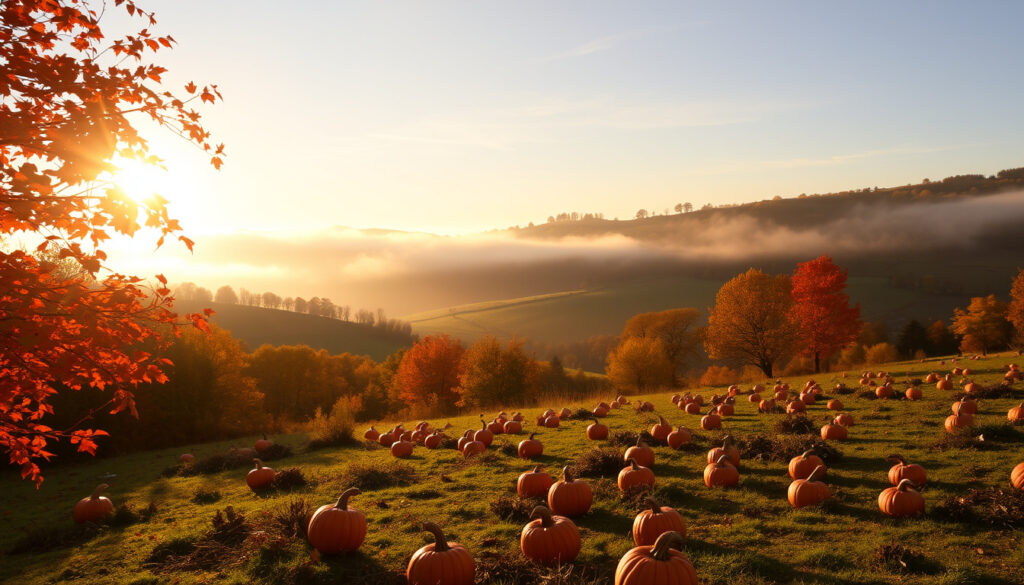
Indian Summer UK Weather – What to Expect in Autumn 2025
As autumn approaches, the phrase Indian summer often reappears in weather forecasts, social media, and conversations across the United Kingdom. It usually describes a pleasant surprise: a few days of unseasonably warm, dry, and settled weather after summer has faded. But the term comes with a complicated history, a debate about its appropriateness, and no guarantee that 2025 will bring such a spell. This article examines the definition, the controversy, the latest forecast, and what you can realistically expect this autumn.
For many in the UK, an Indian summer is simply a welcome late burst of sunshine in September or October, often following a cooler period. However, the Met Office uses a more specific definition, tying it to the timing of the first autumn frost. Understanding both the casual and technical meanings helps clarify what forecasters actually mean when they mention the term.
What is an Indian Summer in the UK? Definition and Origins
Key Facts at a Glance
- The Met Office officially defines an Indian summer as a warm, calm spell in autumn, especially after the first frost.
- The earliest recorded use in English dates to 1778, in a letter by J. Hector St. John de Crèvecoeur.
- The phrase almost certainly originates from 18th-century North America, not India.
- In 2025, forecasts indicate a potential warm period around late September, with temperatures reaching 25°C in parts of southern England.
- Common alternative names include ‘Second Summer’, ‘St Luke’s Summer’, and ‘St Martin’s Summer’.
- The term is increasingly avoided in official UK weather communications due to sensitivity concerns.
Definition and Key Details
| Fact | Detail |
|---|---|
| Definition | A warm, calm, dry spell after first autumn frost, often late September to early October. |
| Earliest recorded use | 1778 letter by J. Hector St. John de Crèvecoeur. |
| UK requirement (Met Office) | Must occur after the first frost of autumn. |
| 2025 forecast | 22–25°C expected across southern UK by end of September. |
| Alternative names | Second Summer, St Luke’s Summer, St Martin’s Summer. |
| Typical duration | A few days to a week; occasionally up to two weeks. |
| Highest UK autumn temperature | Around 29°C; 30°C is extremely rare. |
| Meteorological status | Not a formal Met Office forecast category; used descriptively. |
The Met Office restricts the term to warm spells that come after the first autumn frost. Without that frost, a warm period in September is technically not an Indian summer, even if it feels like one. In practice, many media outlets use the phrase more loosely.
Is the Term ‘Indian Summer’ Offensive? Understanding the Controversy
The controversy around ‘Indian summer’ stems from its uncertain but likely colonial origins. Most reputable etymologists place the phrase in 18th-century North America, where European settlers used ‘Indian’ to refer to Indigenous peoples. The earliest known written example comes from a 1778 letter by Met Office: Indian summer definition writer St. John de Crèvecoeur. The phrase described a warm autumn period observed by settlers, possibly linked to Native American hunting seasons.
Objections grew in the late 20th century as awareness of racial sensitivity increased. Critics argue that the term reduces a complex cultural identity to a colonial label and may carry outdated stereotypes. Even though the historical intent was probably not derogatory, many style guides and broadcasters now prefer neutral alternatives like ‘late warm spell’ or ‘autumn warm spell’.
Traditional Alternatives Used in the UK
- St Martin’s Summer – tied to St Martin’s Day (11 November), historically used in Britain.
- All Hallows Summer – associated with early November.
- St Luke’s Summer – a regional term linked to St Luke’s Day (18 October).
- Second Summer – a modern neutral phrase.
These older terms are more European and do not carry the same colonial baggage. However, they are far less common in everyday speech today.
Indian Summer UK 2025: Forecast, Temperatures and Timing
As of late September 2025, several weather models and news outlets are tracking a possible warm spell. The Express: UK weather maps 22C Indian summer 2025 reports weather maps showing temperatures reaching 22°C or higher in southern England by the end of the month. The Mirror: Indian summer maps 25C scorcher goes further, predicting readings of 25°C in some areas.
It is important to note that these forecasts are for a short-term warm period driven by high pressure. Whether it meets the official Met Office definition depends on whether a frost has already occurred in the affected regions. Netweather: Is an Indian summer on the way? takes a cautious stance, noting that while conditions may feel pleasant, calling it an Indian summer may be premature.
What the Forecast Models Show
- High pressure building over the UK or near Europe.
- Southerly or south-westerly airflows bringing warmer air.
- Clear skies and light winds during the day.
- Daytime temperatures 5–7°C above seasonal norms.
- Cooler nights and possible fog under calm conditions.
Regions Most Likely to See Warmth
Southern England, especially the South East and South West, typically experience the highest temperatures during these patterns. The Midlands and Wales may also see above-average readings, while northern England and Scotland are less likely to reach 25°C but could still enjoy a dry, settled period.
Check the Met Office’s official updates for confirmation of frost dates. If a frost has been recorded in your area and a warm spell follows, that is the closest match to the traditional definition. Otherwise, the term is being used loosely by the media.
When Does an Indian Summer Typically Occur in the UK?
In the UK, the phrase almost always refers to September or October. The Met Office notes that it must follow the first autumn frost, which in many areas occurs between mid-September and mid-October. Warm spells in November are very rare and would not meet the accepted definition.
Duration varies. A typical Indian summer lasts from a few days up to a week, though longer spells of up to two weeks have been recorded. The key is that the weather is settled, dry, and noticeably warmer than the preceding weeks.
St Martin’s Summer vs Indian Summer
St Martin’s Summer, named after the saint’s day on 11 November, is the closest historical British equivalent. It also describes a warm spell after a cold period, but it is tied to a specific calendar date rather than a frost event. Today, the term is much less common than Indian summer.
Indian Summer vs. Other Warm Autumn Spells: Key Differences
An Indian summer is sometimes confused with a heatwave. A heatwave is defined by three consecutive days where temperatures exceed a regional threshold, regardless of season. An Indian summer is a seasonal phenomenon tied to autumn timing and often involves stable high pressure, not necessarily extreme heat.
Climate change may be making autumn warm spells more frequent, which complicates the traditional definition. Warmer autumns mean the first frost can arrive later, reducing the window for an Indian summer as classically defined. Some meteorologists argue that the term may become less relevant in a warming climate.
How Has the Term ‘Indian Summer’ Evolved Over Time?
- 1700s: Earliest known written instances appear in North American colonial-era texts. Phrase enters English as a description of late-season warmth.
- 1800s–1900s: Becomes established in British and American English. Generally positive, weather-based meaning. Little public controversy.
- Late 20th century: Growing sensitivity to potentially colonial or racialized language. Alternative explanations and objections emerge.
- 2020s: Increased editorial scrutiny. Some institutions and writers avoid the term; others still use it as a familiar idiom, especially in informal weather writing.
What Is Certain and Uncertain About Indian Summers?
| Established Information | Information That Remains Unclear |
|---|---|
| The term describes a warm, calm, dry spell after an autumn frost. | Whether the 2025 warm spell will officially meet Met Office criteria depends on frost timing. |
| The phrase originated in 18th-century North America, likely with colonial settlers. | The exact mechanism that causes Indian summers is not pinned to a single meteorological driver. |
| The term is increasingly avoided in official UK forecasts. | Whether the term will continue to be used in the coming decade is uncertain. |
| Alternative names like St Martin’s Summer exist but are less common. | No consensus on whether the term is definitively offensive; opinions vary. |
Why Does an Indian Summer Occur?
Meteorologically, an Indian summer is usually caused by a persistent area of high pressure (an anticyclone) that stalls over the UK or nearby Europe. This blocks the usual wet and windy Atlantic weather systems, allowing clear skies, light winds, and above-average daytime temperatures. The effect is strongest when the jet stream shifts northwards, diverting storms away from the British Isles.
The term entered UK use through American literature and British travellers in the 19th century. It gradually became a familiar seasonal reference, even though the underlying weather pattern is not unique to any one country.
Sources and Key Quotes
“An Indian summer is a warm, calm spell of weather occurring in autumn, especially after the first frost.”
Met Office, as quoted on their official information page
“No Indian Summer” – title of a Netweather analysis (28 September 2025) highlighting that the week ahead would not meet the full criteria.
For a visual update on the 2025 forecast, see YouTube: Indian Summer Incoming? UK Weather Update from late September 2025.
Summary: What You Need to Know
The term ‘Indian summer’ in the UK refers to a brief, warm, dry spell in late summer or autumn, ideally after the first frost. Its origin is most likely 18th-century North America, and it is now viewed by some as outdated or insensitive. For 2025, a warm period is expected around late September, but whether it officially qualifies depends on frost timing. Neutral alternatives like ‘late warm spell’ or ‘autumn warm spell’ are increasingly preferred in formal weather communications.
Frequently Asked Questions
Can an Indian summer happen in the UK in November?
Very rare; most definitions restrict it to September or October, after the first frost but before the onset of winter.
What is the difference between an Indian summer and a heatwave?
A heatwave is defined by three consecutive days of high temperatures relative to the local climate; an Indian summer is a seasonal phenomenon in autumn, not necessarily meeting heatwave thresholds.
Does the Met Office still use the term ‘Indian summer’?
Yes, the Met Office uses the term in educational content but notes its historical origin. It is not officially banned.
How long does an Indian summer last?
Typically a few days to a week, though some can last up to two weeks.
Is 30°C possible during an Indian summer in the UK?
Extremely rare; the highest recorded in UK autumn is around 29°C. Most Indian summers see 20-25°C.
When is the strongest likelihood of an Indian summer in the UK?
Late September to early October, following a clear first frost. The weather pattern typically involves a blocking high pressure.
What alternative phrases can I use instead of ‘Indian summer’?
Neutral options include ‘unseasonably warm spell’, ‘late-autumn warm spell’, ‘mild autumn weather’, or historically ‘St Martin’s summer’.
Is an Indian summer increasing because of climate change?
Warmer autumns may make warm spells more common, but the classic definition (post-frost) becomes harder to apply as frost dates shift later.
Which parts of the UK are most likely to experience an Indian summer?
Southern England tends to see the highest temperatures during these episodes. Scotland and northern England often experience less pronounced warming.
Can you have an Indian summer without a frost?
According to the Met Office definition, the spell must occur after the first frost. However, many casual uses ignore this requirement.
More related posts
 Cast Of Guardians Of The Galaxy – Every Main Actor And Character
 Next Premium Bond Draw – Full 2026 Schedule & Prize Checker
 Jean Paul Gaultier Divine – Complete Guide to Scent, Longevity and Value
 Admiral Phone Number 0800 0345 – Official Contacts and Hours
 B and M Bargains – Complete Guide to UK Deals and Stores
 Dog Boarding Near Me – Costs, Safety Tips & Top Facilities
 Cast of True Romance – Full List of Actors and Roles
 Colin Morgan Movies and TV Shows – Complete Filmography and Streaming Guide
